A well-planned photography timeline is one of the most important decisions you'll make for your wedding day. We've photographed hundreds of weddings across Snohomish County, and we can tell you with certainty: couples who invest time in developing a thoughtful timeline always end up with better photos and a less stressful day. Conversely, when couples wing it or develop their timeline without photography input, we often miss crucial moments or rush through important portrait sessions.
The photography timeline isn't just about capturing moments. It's about creating an intentional flow that ensures nothing important is overlooked while building in flexibility for the unexpected. It requires understanding how long different elements actually take, where natural light is strongest, and how to balance getting-ready coverage with formal portraits and reception documentation. In this guide, we'll walk you through the key components of an excellent wedding photography timeline and show you how to adapt it to your specific day.
Getting Ready: 2-3 Hours Before Ceremony
We typically begin photography two to three hours before the ceremony time. This window allows us to capture the genuine chaos and anticipation of getting ready without feeling rushed. We'll photograph the bride's preparations first, the detail shots of the dress, shoes, jewelry, and invitations or sentimental items. These detail photographs are some of the images couples treasure most because they tell the story of the morning in a way that posed photos cannot.
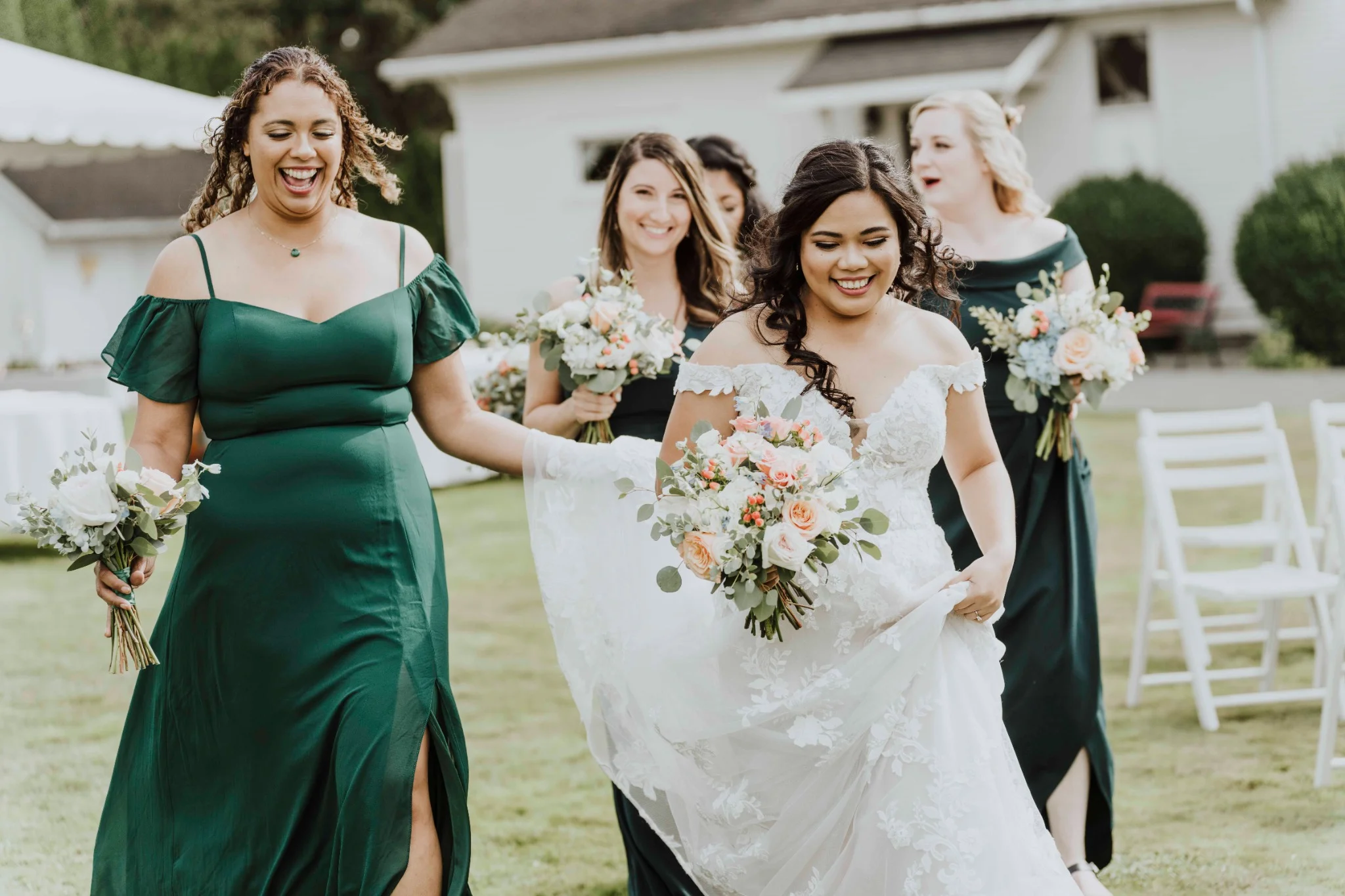
During getting-ready coverage, we focus on candid moments rather than posed shots. The bridesmaids helping with dress zippers, the mom adjusting the veil, the first glimpse of the bride in her full wedding look. These authentic moments photograph beautifully and capture the genuine emotion of the morning. We also photograph the groom's preparations, which often gets overlooked by couples focused on bridal coverage. The groom's nervous energy, the groomsmen's camaraderie, and the father-son moments are all valuable content that rounds out the day's story.
We recommend building in about 45 minutes for bridal preparations, 30 minutes for groom preparations, and the remaining time for family formals and quiet moments before the ceremony begins. This pacing ensures we capture the essential getting-ready moments without feeling frantic. If you're planning a smaller wedding or have a shorter timeline, coordinating preparations so the bride and groom get ready in the same location can increase efficiency.
First Look vs. Traditional Reveal
One of the most important timeline decisions is whether to do a first look (where the bride and groom see each other before the ceremony) or to maintain the traditional surprise moment during the processional. Both approaches have distinct photographic advantages, and your choice significantly impacts your timeline.
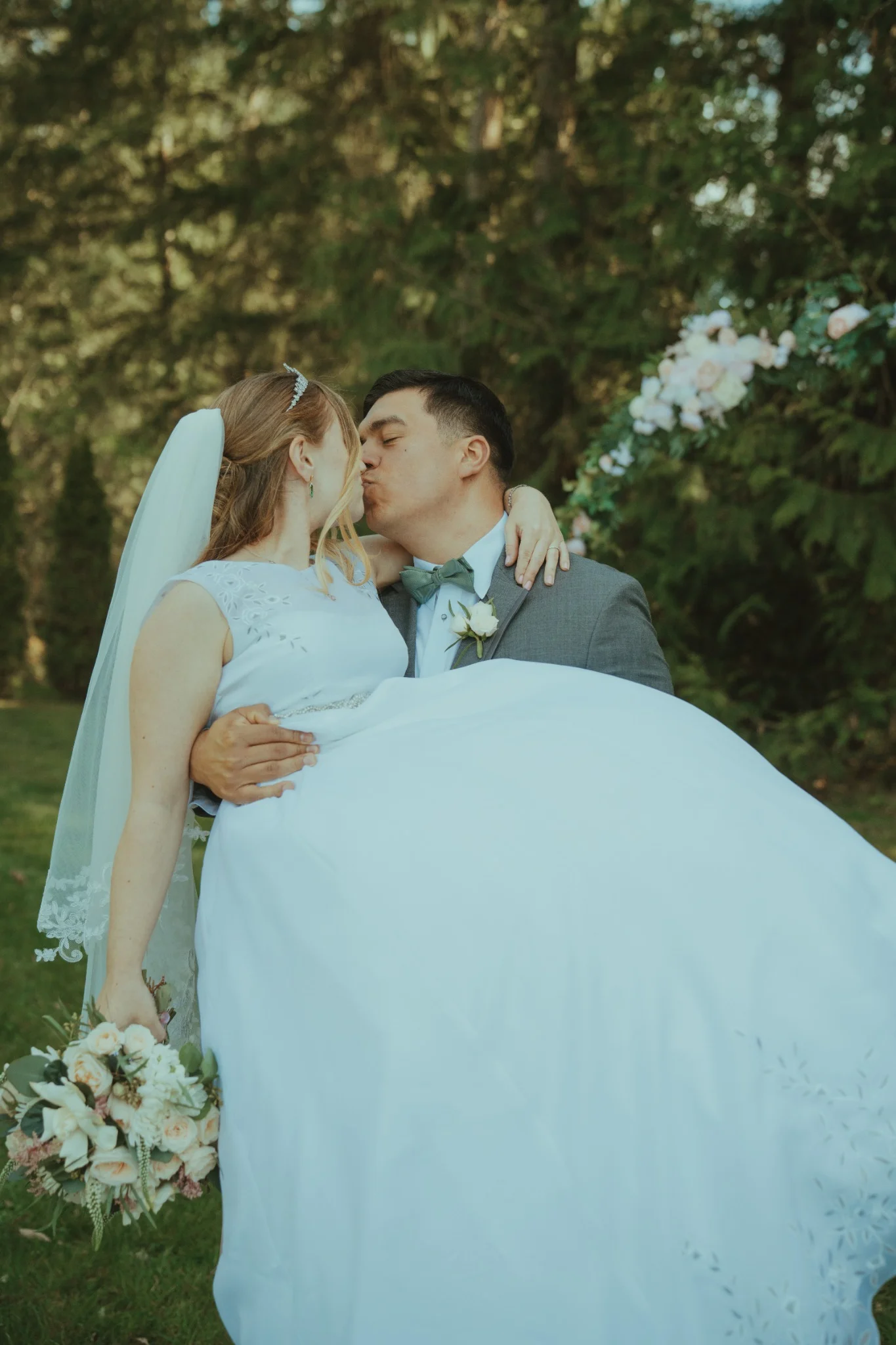
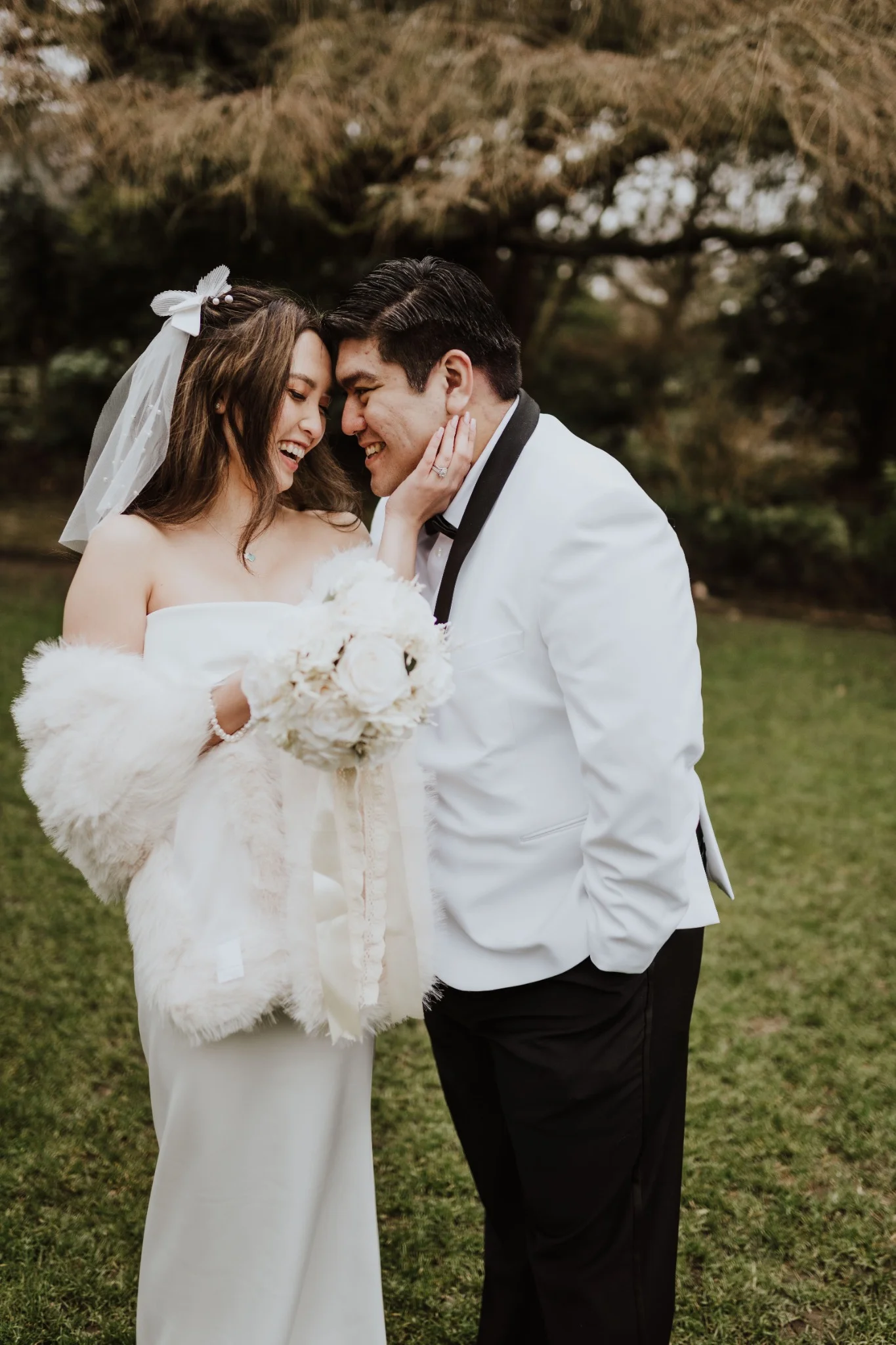
First looks offer tremendous photographic benefits. They allow us to capture authentic emotional reactions in controlled lighting, without the logistical constraints of a ceremony processional. After the first look, the couple is immediately positioned for portrait sessions while they're fresh, relaxed, and fully dressed. This means we can capture couple portraits during the best light of the day rather than rushing through them between ceremony and reception. We've found that couples who do first looks consistently report less stress throughout the day because the anticipation is over and they can genuinely enjoy their guests.
The traditional reveal, where the groom first sees his bride as she walks the aisle, creates a different emotional moment that's equally beautiful. However, it requires more careful timeline planning because we can't do extensive couple portraits before the ceremony. Most couples with traditional reveals do couple portraits immediately after the ceremony and before family formals, which compresses the timeline.
Popular Snohomish County locations for first looks include lakefront venues in Lake Stevens, garden settings in Bothell, and the private grounds of estates in Lynnwood. Many couples appreciate doing first looks in a quiet location that offers beautiful backdrops but feels separate from the ceremony space. We often recommend first looks for couples who want extensive couple portrait sessions or who will have a long reception timeline requiring photographer attendance throughout dinner and dancing.
Wedding Party Portraits: 30-45 Minutes
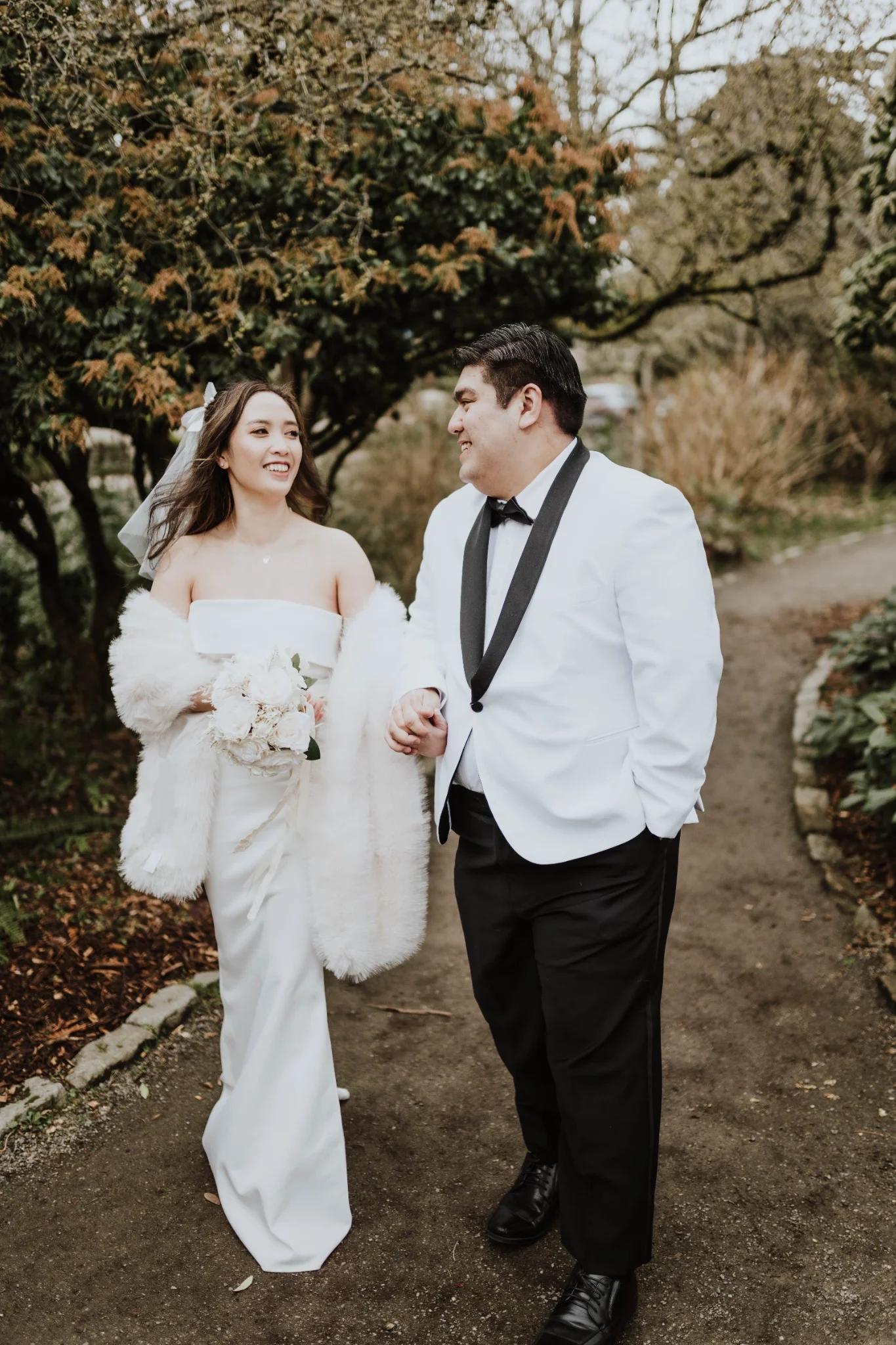
Formal wedding party photographs take longer than many couples anticipate. Getting all the bridesmaids, groomsmen, and assorted family members arranged, posed, and photographed, while managing different personalities, wardrobe adjustments, and ensuring everyone looks their best, typically requires 30 to 45 minutes. If you're doing both traditional groupings and creative poses, add another 15 to 20 minutes.
We recommend scheduling formal wedding party portraits during the golden hour if possible, as the warm light is exceptionally flattering. However, if your ceremony timing makes golden hour portrait sessions impossible, late afternoon light (usually 2-4 PM) works well. We always recommend choosing a location with natural shade or architectural elements that allow us to control the light rather than shooting in harsh midday sun.
During this time, we also incorporate fun, candid shots of the wedding party, groomsmen joking around, bridesmaids laughing, the best man and maid of honor with the couple. These images often become favorites because they capture genuine personality rather than posed formality. We always build in extra time for candid moments rather than rushing from one posed shot to the next.
The Golden Hour: 1 Hour Before Sunset
The golden hour, approximately one hour before sunset, is when professional photographers do their best work. The warm, diffused light is exceptionally flattering to skin tones, the low angle of the sun creates dimension and depth, and the overall quality of light is simply superior to any other time of day. For Snohomish County, sunset times vary significantly by season: approximately 5 PM in winter, 8:30 PM in spring, 9 PM in summer, and 6:30 PM in fall.
We always protect the golden hour as sacred time for couple and wedding party portraits. This is when we create the images that will be displayed above your mantlepiece and framed in your home for decades. We recommend clearing your timeline so there are no commitments during this window, no family formal portraits, no processionals, no competing events. The payoff in image quality is extraordinary.
For evening weddings in summer, this might mean an evening couple portrait session that happens before the reception. For afternoon ceremonies, it typically means scheduling couple portraits after formal family photos but before guests arrive at the reception. The specific timing depends on your ceremony time and sunset time, which is why we work with each couple individually to determine the optimal timeline.
Golden hour is also ideal time for location-specific portraits that take advantage of your Snohomish County venue. Lakefront properties shine during this time with water reflecting the warm light. Mountain view estates are particularly spectacular with the Cascades glowing in the distance. Garden venues become enchanted with backlighting creating halos around foliage.
Ceremony Coverage
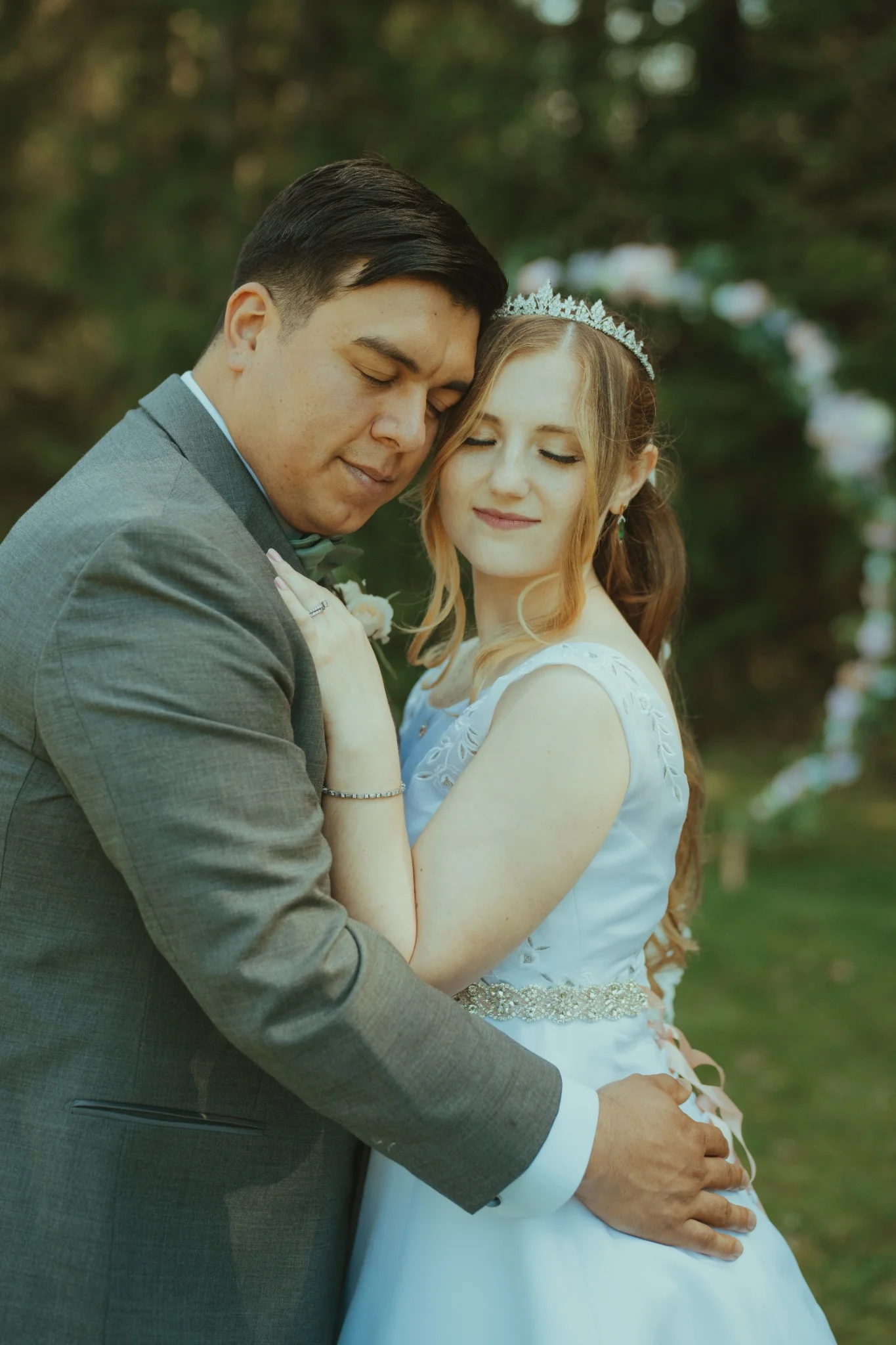
Ceremony photography seems straightforward but requires careful positioning and planning. We always arrive early to scout the ceremony space, identify the best angles for processional and recessional shots, and plan where we'll be positioned for the pivotal moments, the bride's walk down the aisle, exchanging vows, first kiss. We need to be in position early without being intrusive or distracting to guests.
We typically position ourselves to capture both the bride's and groom's expressions during key moments rather than only shooting from one angle. For longer ceremonies or ceremonies with unique moments (sand ceremonies, candle lighting, handfasting), we plan movement during less crucial moments to be ready for the important elements. The goal is capturing authentic emotion from multiple angles without constant camera motion that might distract guests.
Reception Highlights: First Dance Through Dessert
Reception coverage is where your timeline and expectations really matter. There are different approaches depending on how much coverage you want and your reception's timing. Some couples want extensive reception photography (6-8 hours), while others prefer just highlights (2-3 hours). Your choice impacts both timeline planning and overall photography package.
The essential reception moments we always capture are: cocktail hour details and guest candids, guests arriving at the reception, first dance, toasts from the best man and maid of honor, cake cutting, parent dances, and dancing throughout the evening. We also capture candid moments of guests, laughter at tables, friends catching up, children playing. These candid images often become the favorites in a wedding album because they capture the genuine joy of the celebration.
If your reception is early in the evening (concluding by 9 or 10 PM), we recommend scheduling at least 3-4 hours of photography to capture everything. For evening receptions continuing late into the night, you might extend coverage to 5-6 hours or use a second photographer to capture different perspectives. We always discuss reception coverage expectations with couples ahead of time so there are no surprises about what will be photographed.
Sample 10-Hour Wedding Day Timeline
Here's an example of how a complete wedding day might flow with 10 hours of photography coverage:
2:00 PM: Photography begins; capture bridal preparations, dress details, bridal party getting ready
3:00 PM: Groom and groomsmen preparations; final bridal detail shots
3:30 PM: First look (optional) or family formal setup
4:00 PM: Family formal portraits (parents with bride/groom, bride with dad, etc.)
4:45 PM: Wedding party portraits and candids
5:00 PM: Guests arrive; capture ceremony processional and ceremony itself
6:00 PM: Recessional and receiving line (if applicable)
6:15 PM: Couple portraits during golden hour (approximately 6:00-7:00 PM in March)
7:00 PM: Cocktail hour; guest candids and detail photography
7:30 PM: Reception begins; first dance, toasts, cake cutting
8:00 PM onwards: Reception highlights, parent dances, dancing, candid celebration moments
12:00 AM: Photography concludes
This timeline can be adjusted based on your ceremony time, sunset time, reception duration, and photography priorities. The key is building in buffer time for the unexpected while protecting the golden hour and ensuring key moments aren't rushed.
Planning Your Timeline
The best wedding photography timelines are created in collaboration between you and your photographer. When you're booking, discuss your vision and preferences so your photographer can create a realistic timeline that maximizes image quality while accommodating your day's flow. Share your ceremony time, reception location, sunset time, and any unique elements you want to photograph. A thoughtful timeline becomes the roadmap that keeps everyone organized and ensures nothing important is missed. Consider pairing photography with our wedding videography services to capture every moment. Still choosing a venue? Browse our guide to the top wedding venues near Lake Stevens.
We'd love to help you develop the perfect photography timeline for your Snohomish County wedding. Whether you're planning an intimate Lake Stevens ceremony, a Bothell garden celebration, or a Lynnwood estate wedding, we can create a timeline that captures all your priorities while taking advantage of our region's beautiful light and landscapes.