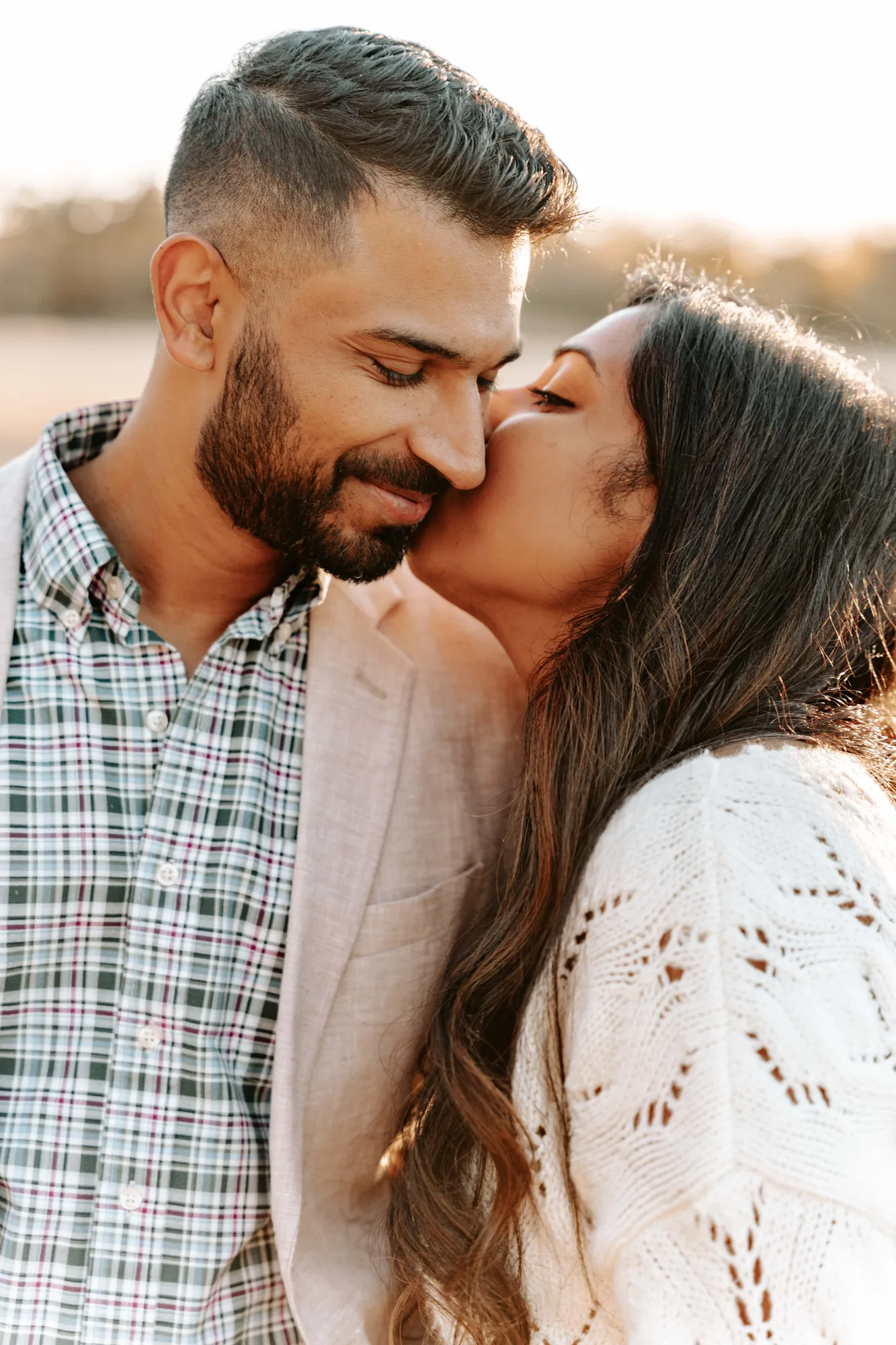
Photographing a South Asian wedding is one of the greatest privileges we have as a husband-and-wife team. These celebrations span multiple days, overflow with color, music, food, and family, and weave together traditions that have been carried across generations and continents. As a two-person team based in the Seattle area, we've had the honor of documenting Indian, Pakistani, Bangladeshi, and Sri Lankan weddings throughout Snohomish County, Bothell, Seattle, and beyond, and every single one has taught us something new about rhythm, reverence, and joy.
This guide is for couples planning their South Asian wedding in the Pacific Northwest, and for families who want to understand what thoughtful, culturally aware photography coverage looks like from start to finish. Multi-day events require a different kind of preparation than a single-day Western wedding, different stamina, different gear, different communication with family, and a genuine respect for the meaning behind each ritual. We approach every celebration with humility, with questions, and with the commitment to show up fully for each day, from the first smear of turmeric to the last song of the reception.
Haldi Ceremony: Capturing the Turmeric Tradition
The Haldi ceremony is usually the most joyful, messy, and unposed of all the pre-wedding events. Family members take turns applying a paste of turmeric, sandalwood, and often rose water or milk onto the bride and groom, blessing them, teasing them, and wishing them health and a glowing complexion for the big day. The yellows are saturated and luminous, the laughter is constant, and the light is almost always beautiful if the family chooses a shaded patio, garden, or room with large windows.
Photographically, Haldi is about getting close without getting in the way. We shoot with lenses we don't mind getting splashed, we protect our bodies and cameras with simple rain covers, and we lean into wide candid frames that show the overflow of aunties, cousins, and grandparents. We also make time for the quieter portraits, a grandmother's hands pressed to a bride's cheek, the groom laughing with his brothers, the texture of turmeric on skin and jewelry. If the Haldi happens outdoors, open shade or soft overcast light tends to photograph best; direct midday sun in a Bothell backyard can be brutal, so we often recommend staging the ceremony under a canopy, pergola, or tree line.
Mehndi Night: Intricate Detail and Intimacy
Mehndi is a gift of detail. Over several hours, an artist applies intricate henna designs to the bride's hands, arms, and feet, often while she is surrounded by her closest friends and female relatives. This is an intimate evening (quieter than Sangeet, smaller than the wedding day) and it rewards a photographer who knows when to move and when to simply stay still.
We focus on the artistry: the tip of the cone tracing paisleys and peacocks, the slow reveal of patterns on both hands, the hidden initials of the groom tucked into the design. We photograph the women gathered around her, the platters of sweets, the gold and green and deep red of the decor. Mehndi events are often lit primarily by warm string lights, candles, or indoor lamps, so we plan our exposure and gear accordingly, fast prime lenses, a willingness to bump ISO, and, when appropriate, a small off-camera flash bounced off a ceiling to keep the mood soft rather than harsh.
Sangeet: Music, Dance and Pure Joy
Sangeet is a concert and a family talent show all at once. Choreographed dance numbers, surprise tributes from siblings, parents dancing together, Bollywood playlists, and guests pulled onto the floor whether they planned to be or not. It is pure, loud, unfiltered joy. For photographers, it's one of the most demanding evenings of the week. The action is constant, the lighting is theatrical, and the best moments are almost always unscripted reactions on the sidelines.
Our approach is to split coverage between the two of us: one photographer anchored near the stage capturing performances head-on, and the other roving through the audience for reaction shots, the bride wiping away tears during her brother's tribute, the groom's parents clapping along, a little cousin mimicking a dance move from the back. We talk with the DJ or MC in advance to learn the run of show so we know when to be ready for the first dance, the surprise number, or the family medley. A printed sequence sent to us even 48 hours ahead of time is a gift.
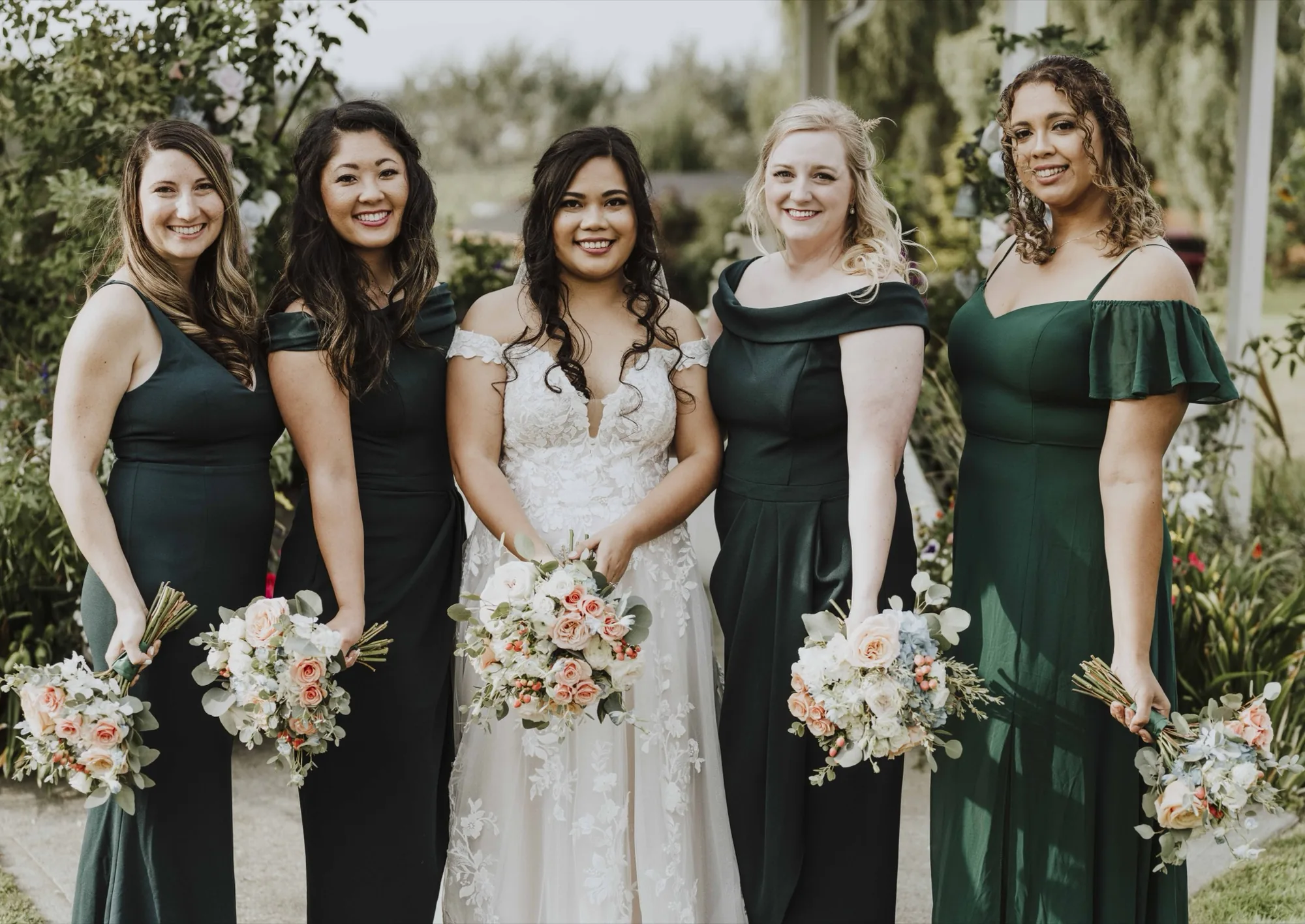
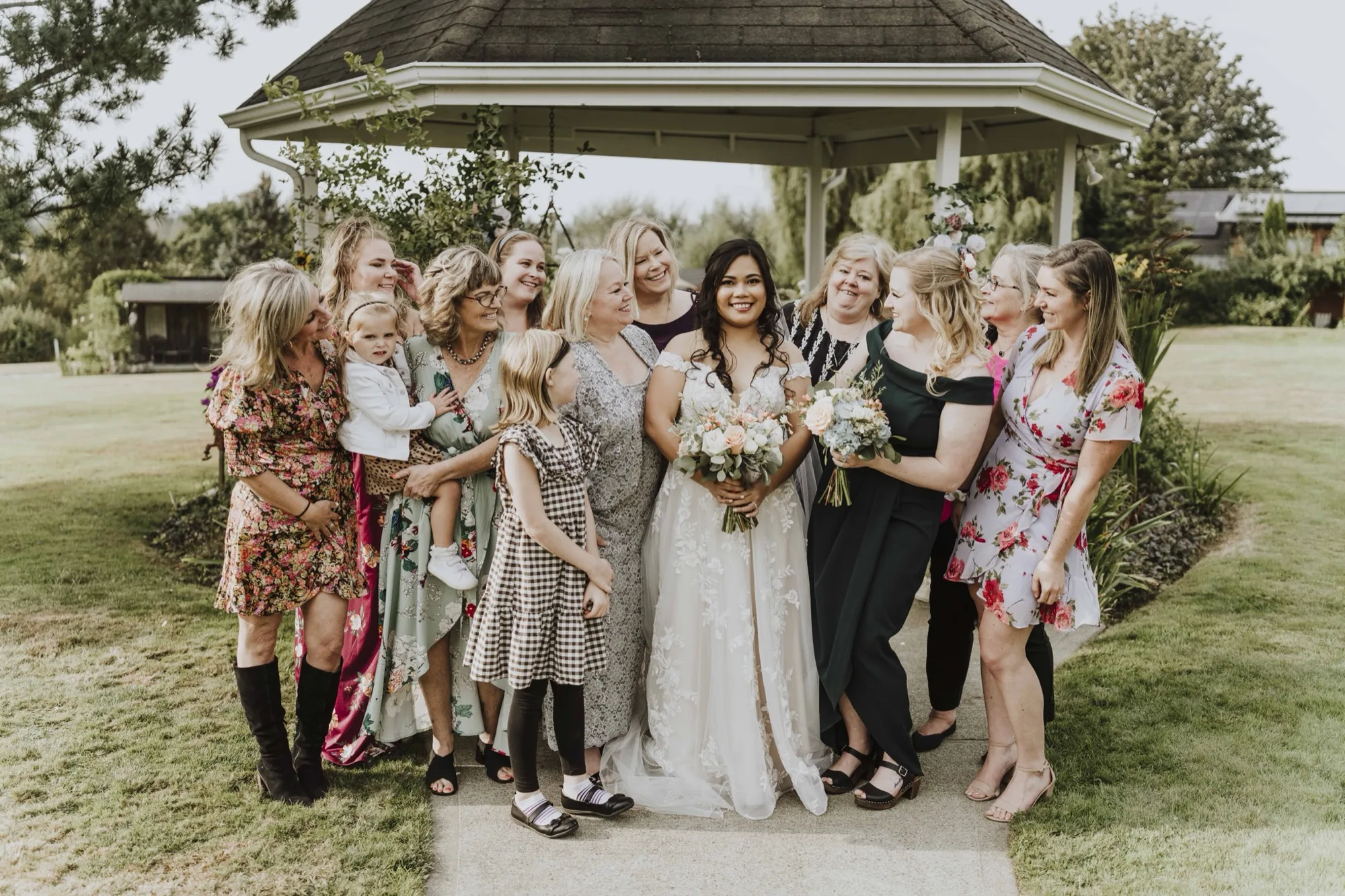
Baraat: The Groom's Procession
The Baraat is the groom's grand arrival, a procession complete with a dhol drummer, a horse or decorated car, and a crowd of friends and family dancing down the street or through the venue's entry. It is exuberant and, from a documentary standpoint, one of the most cinematic moments of the entire wedding week. It's also fast, unpredictable, and often happens right before the ceremony when everyone is already running on adrenaline.
We scout the Baraat path ahead of time whenever possible, whether that's a hotel entrance in Bellevue, a Snohomish County venue driveway, or a community hall parking lot in Lynnwood. We plan shooting positions for both of us so we can capture the wide scene (groom on horseback, crowd of dancers, banner of flowers) as well as tight shots of the groom's expression, his father shoulder to shoulder with him, and the drummer's hands mid-beat. Because Baraats often take place in bright outdoor light or transition into venue entryways, we stay alert to shifting exposure and move with the crowd rather than ahead of it.
The Wedding Ceremony: Mandap Coverage
The ceremony itself is sacred and often the longest single event of the week. A Hindu wedding under the mandap may include the Kanyadaan, the Mangal Phera around the sacred fire, the Saptapadi (seven steps), and the tying of the Mangalsutra. A Sikh Anand Karaj centers on four Lavaan hymns around the Guru Granth Sahib. A nikkah has its own distinct rhythm of consent, vows, and signing. Before we ever lift a camera, we ask the officiant and family what is sacred, what is unrestricted, and whether there are any moments we should step back entirely.
We dress modestly and appropriately, we remove shoes where required, and we position ourselves so the couple, the officiant, and the family's line of sight are never obstructed. One of us typically covers wide (the full mandap, the fire, the guests watching) while the other works tighter with a longer lens from a respectful distance, capturing the small gestures that carry the whole meaning of the day. Indoor mandaps lit with warm tungsten lamps and draped fabric can be tricky; we white-balance carefully and rely on fast primes rather than aggressive flash during the rites themselves.
Reception: Celebration Until the Last Song
The reception is where formality softens into celebration. Outfit changes, family introductions, the couple's grand entrance, toasts, a first dance, the cutting of the cake, and then hours of dancing that often run well past midnight. This is where having a two-photographer team really pays off, one of us captures speeches and staged moments from the front while the other works the floor, gathering the candid frames that make an album feel alive.
We build in buffer time for the couple to eat, to catch their breath, and to share a private moment if they want one. We also keep shooting through the late-night dance floor because some of the best images of the entire week come out after 11 PM, when the jackets are off, the kids are asleep on chairs, and the elders are out-dancing everyone half their age.
Multi-Day Timeline Planning
A South Asian wedding week typically spans three to five days, sometimes more, and a clear shared timeline is the single best gift a couple can give their photographers. We work with every couple to build a document that lists each event's date, start and end time, location, dress code, guest count estimate, and any specific rituals the family wants photographed. For a three-day weekend covering Mehndi on Friday evening, Haldi and Sangeet on Saturday, and the wedding and reception on Sunday, we plan coverage in blocks with built-in rest windows between events, because a tired photographer on day three is a photographer missing moments on day three.
If you've read our wedding photography timeline guide, much of the same thinking applies, just multiplied across several days. For a fuller overview of what's included in our coverage, see our wedding photography services page, and if you'd like moving footage of the Baraat, Sangeet choreographies, and first dance, we also offer wedding videography as an add-on.
Lighting for Indoor Ceremonies
Many South Asian events take place in banquet halls, community centers, temples, gurdwaras, or hotel ballrooms where the lighting is designed for the room, not the camera. Tungsten uplights, colored LED washes on the mandap, and dim reception floors all demand different strategies. We shoot with fast f/1.4 and f/1.8 primes for the ceremony itself to keep things quiet and unobtrusive, and we introduce small, carefully bounced off-camera flash only during the reception once the formal rites are complete.
For outdoor events (a Haldi on a Bothell lawn, a Baraat down a Snohomish driveway) we watch the sun. Open shade and late-afternoon golden hour are our best friends. Midday direct sun flatters no one, so if an outdoor ritual is scheduled for noon, we'll talk with the family about a canopy or a shaded corner of the venue well in advance.
Why a Two-Photographer Team Matters for South Asian Weddings
South Asian weddings are too big, too fast, and too layered for a single photographer to cover well. At any given moment during the ceremony, there's a ritual happening at the mandap, a reaction happening from the mother of the bride, and a scene of cousins laughing in the back row, and all three deserve to be documented. Because we're a husband-and-wife team, we've learned to read each other without speaking. One of us anchors, the other roams; one shoots tight, the other shoots wide; one handles families for formals, the other keeps documenting candids so nothing is missed.
Our team dynamic also matters culturally. Many South Asian families are more comfortable with a female photographer in close proximity to the bride during getting-ready coverage, bridal portraits, or women-only Mehndi events, and a male photographer on the Baraat or near the groom's family. We can cover both without asking a family to compromise on comfort. You can read more about how we work together on our about us page.
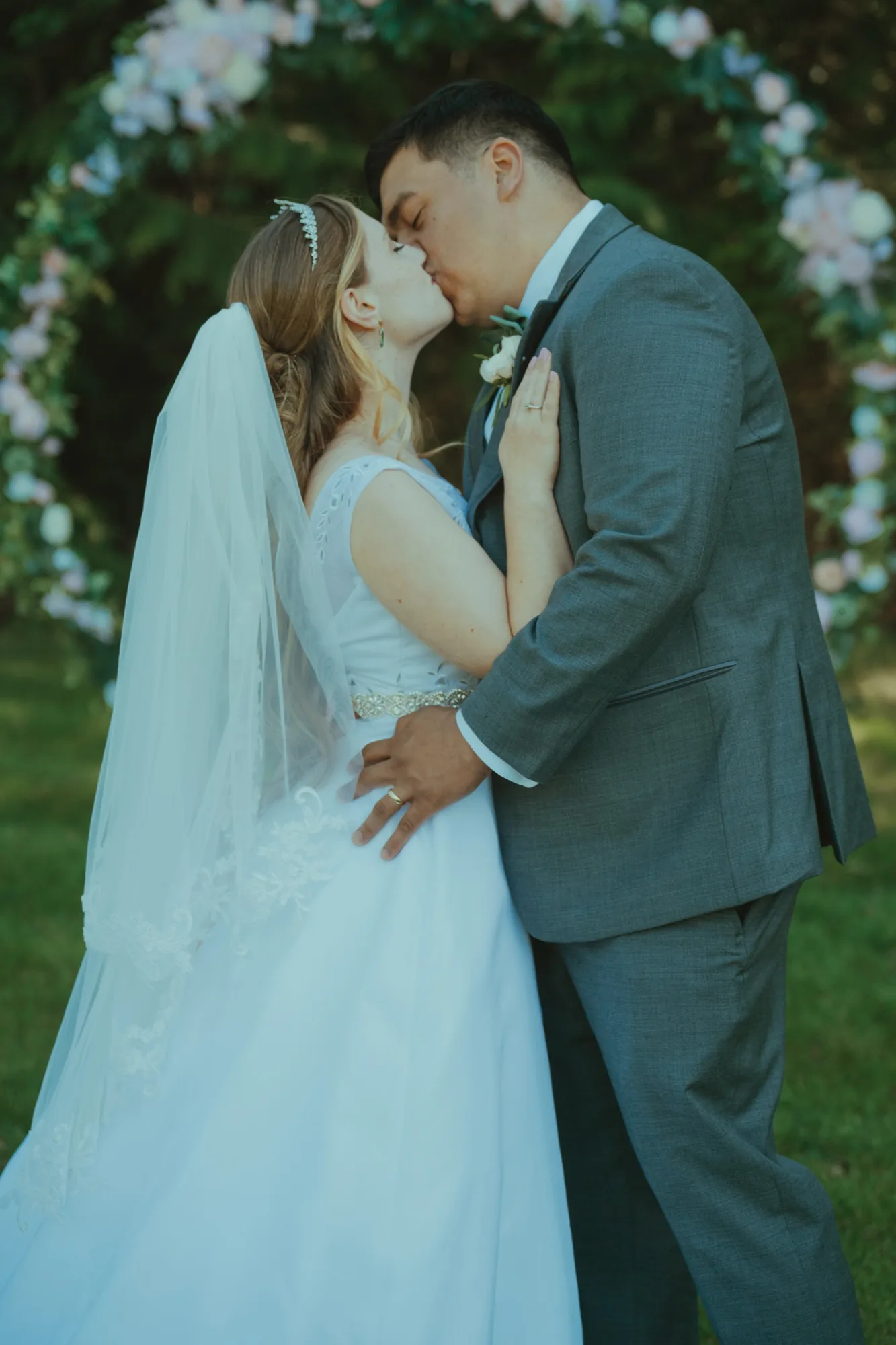
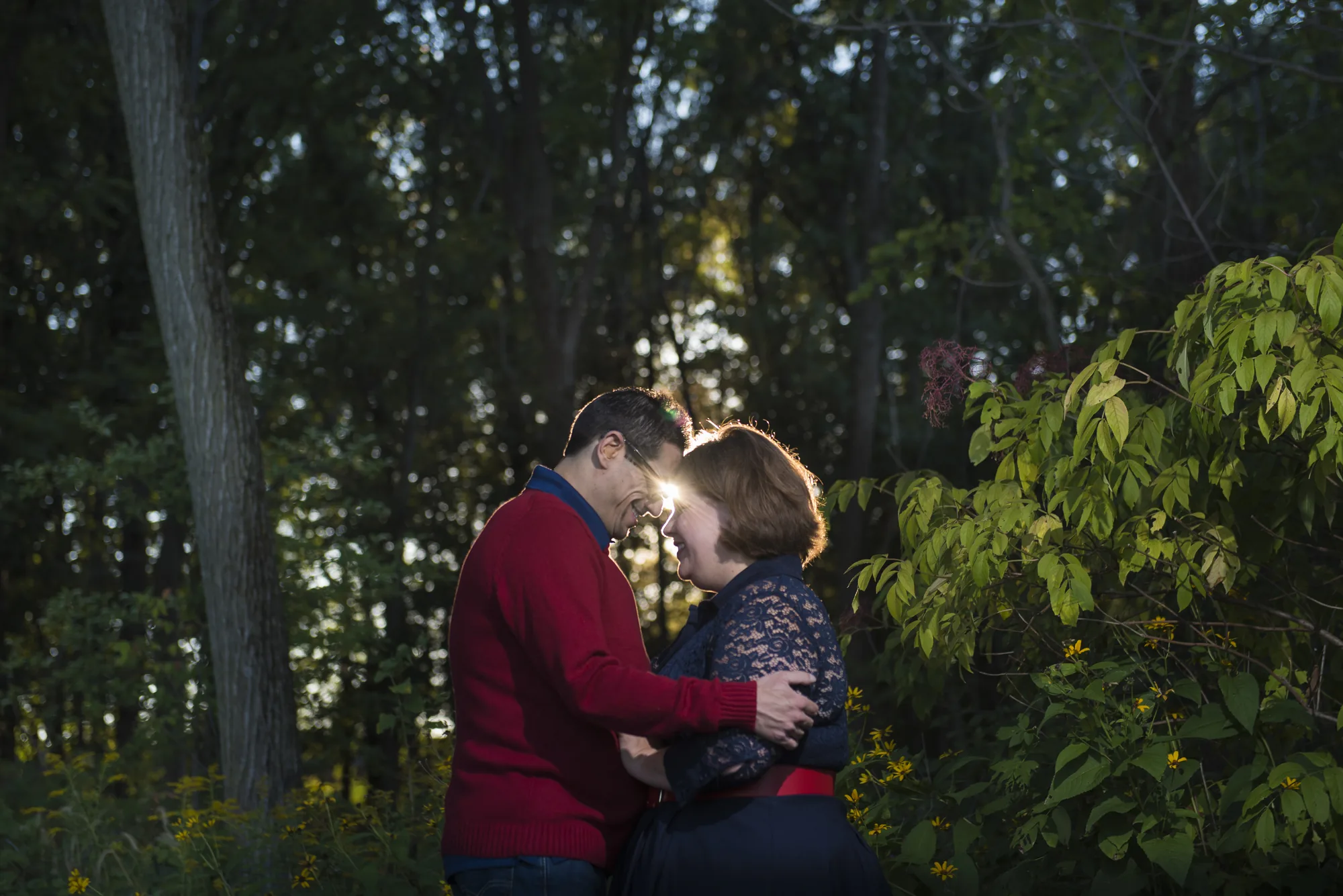
Serving Seattle, Bothell & Snohomish County (Travel Welcomed)
We're based in Snohomish County and regularly photograph South Asian weddings throughout Seattle, Bellevue, Redmond, Bothell, Lynnwood, Everett, and surrounding communities. We travel for destination weddings as well (including Portland, Vancouver BC, and out-of-state celebrations) and we're happy to discuss travel packages for families with ceremonies in multiple cities. For couples researching vendors and venues, resources like The Knot's South Asian wedding guide and Maharani Weddings are excellent cultural and planning references.
A few practical notes if you're planning with us: we bring two full camera bodies each, backup lenses, dual card slots for every shot, modest event-appropriate attire, and a quiet willingness to be corrected if we get something wrong. We'd rather ask a family member how to pronounce a ritual correctly than assume. We'd rather kneel for an hour at the edge of the mandap than stand where we shouldn't. And we'd rather photograph an auntie laughing with her grandkids than a flat posed frame of the same family lined up in a row.
If you're planning a South Asian wedding anywhere from Seattle to Snohomish County and you'd like to talk through your week with photographers who will show up with care, stamina, and genuine curiosity, we'd love to hear from you. Check availability for your dates and we'll get on a call to walk through your events one by one.